


It is late, the kitchen light is on, and the fridge door is open. You are not looking for a formal pairing; you want something that tastes good with the odds and ends on the counter. Late-night eating has its own logic: salt, fat, crunch, a little sweetness, maybe a square of dark chocolate. Wine can meet all of that without ceremony. The trick is to think about weight and texture first, then flavor. A light, chilly white will disappear under a slab of aged cheese, while a heavy red can flatten a bowl of popcorn. Get those basics right, and the snack and the glass do most of the work for you.
Start with Weight and Texture, Not Flavor
Most pairing advice begins with flavor: red with meat, white with fish. That is useful at dinner, less so at midnight. Late-night snacks are usually rich, salty, crisp, or sweet, often all at once. Weight is the better guide. Ask how dense the food feels on your tongue and how long the flavor stays. A potato chip is light and salty; a piece of salami is dense and fatty; a soft cheese is creamy and earthy; a chocolate biscuit is sweet and crumbly. Match that weight to the wine’s body, then use acidity and sweetness to clean up the finish.
Acidity is the workhorse here. It cuts through fat and resets your palate between bites. Sweetness can be just as practical: a touch of sugar in the wine makes salty and spicy food taste rounder. Tannin matters too. Tannin in red wine can feel harsh with salt and acid, so keep tannic reds for heartier meat snacks, and choose juicier, lower-tannin reds for everything else.
Cheese: Choose by Texture and Salt
Cheese is the classic late-night companion, but not every cheese wants the same wine. Soft, creamy cheeses—think triple-cream brie, camembert, or a ripe goat cheese—need something with freshness. A dry Riesling, Chenin Blanc, or a crisp sparkling wine works well; the bubbles and acidity keep the cream from coating your mouth. If the cheese is salty and slightly funky, an off-dry white or a light red like Gamay can be more forgiving.
Hard and Aged Cheeses
Hard cheeses—Parmigiano, aged Gouda, manchego, Comté—are dense and salty. They can handle a wine with more grip. A medium-bodied red with decent acidity, such as Barbera or Dolcetto, is a reliable choice. So is a dry sherry or a nutty white. Avoid very oaky, high-alcohol reds; they tend to make hard cheese taste bitter.
Blue Cheese
Blue cheese is the exception that rewards a sweet wine. Tawny Port, a late-harvest Chenin, or a sweet Riesling balances the salt and sharpness. Keep the pour small—these wines are intense, and the cheese is rich.
Charcuterie: Salt Wants Freshness
Cured meat is salty, fatty, and often a little spicy. The best wines here are fresh and juicy, not heavy. A chilled Lambrusco, a light Gamay, or a dry rosé can lift the fat and keep the salt from building up. For prosciutto and other delicate hams, go lighter still: a dry white or a sparkling wine with fine bubbles.
Salami, coppa, and spicier cured meats can take a red with a bit more fruit. Look for a red that is low in tannin and high in acidity—Barbera, Frappato, or a young Grenache. If you are building a small board, do not try to find one wine that suits every item. Pick a fresh red or a dry sparkling wine and let the bread, pickles, and olives do the bridging.
- Prosciutto or jamón: dry sparkling wine, crisp white, or dry rosé.
- Salami and coppa: light, juicy red with low tannin.
- Duck rillettes or pâté: off-dry white or light red; acidity matters more than power.
- Pickles and olives: dry sherry or a crisp white with a saline edge.
Chocolate: Sweetness Needs a Counterpoint
Chocolate is tricky because it is sweet, bitter, and fatty all at once. A dry red usually clashes; the wine tastes thin and the chocolate tastes sweeter. Dark chocolate, especially 70 percent and above, does better with a wine that has some sweetness or a fortified style. Tawny Port is the classic, but a Banyuls, a sweet sherry, or a late-harvest red can work. If you want something lighter, try a Ruby Port with a small piece of chocolate rather than a whole bar.
Milk chocolate is sweeter and softer. A cream sherry, a sweet red, or even a small glass of a fruit-forward red with low tannin can be pleasant. Avoid very dry, tannic reds. White chocolate is mostly fat and sugar; it needs a sweet wine with acidity, such as a late-harvest Riesling or a sweet Chenin Blanc.
Salty Snacks: Bubbles, Crisp Whites, and Chillable Reds
Potato chips, pretzels, popcorn, and crackers are not a compromise. They are some of the easiest snacks to pair because salt and fat love acidity and bubbles. A dry sparkling wine is almost always right: the bubbles scrub the palate, and the acidity keeps you reaching for another chip. A crisp white—Muscadet, Albariño, or a simple dry Riesling—does the same job with less fizz.
Popcorn is lighter and a little buttery. Chardonnay with modest oak can work, but a dry sparkling wine or a fresh white is safer. If you want red, chill a light Gamay or a Lambrusco for twenty minutes; the cool temperature keeps the fruit fresh and the tannin soft. Pretzels and crackers are salty and dry, so avoid high-alcohol wines that make you thirsty. A dry sherry or a crisp white with a saline note is excellent.
Build a Late-Night Board Without Overthinking It
You do not need a perfect match for every bite. A small, well-chosen spread is more satisfying than a crowded one. Pick two or three textures: something creamy, something salty and cured, something crunchy. Add bread, pickles, or fruit. Then choose one wine that can move between them. A dry sparkling wine, a fresh light red, or an off-dry white will cover most of the board.
- Start with the lightest item and the lightest wine.
- Keep portions small; late-night appetites are often bigger than they feel.
- Serve whites and light reds cooler than you think—about ten to fifteen minutes in the fridge helps.
- Have water on the table and drink it between glasses.
A Short Practical Closing
Late-night wine is not about impressing anyone. It is about making the snack in front of you taste better and the evening end well. Keep a few reliable bottles on hand: a dry sparkling wine, a crisp white, a light red, and a small bottle of something sweet for chocolate or blue cheese. Chill what should be chilled. Pour smaller glasses than you would at dinner. If you are driving, pregnant, or taking medication that does not mix with alcohol, skip the wine and enjoy the snack; if you are unsure, ask a health professional. Otherwise, taste, adjust, and trust your palate. The best pairing is the one you actually want to finish.
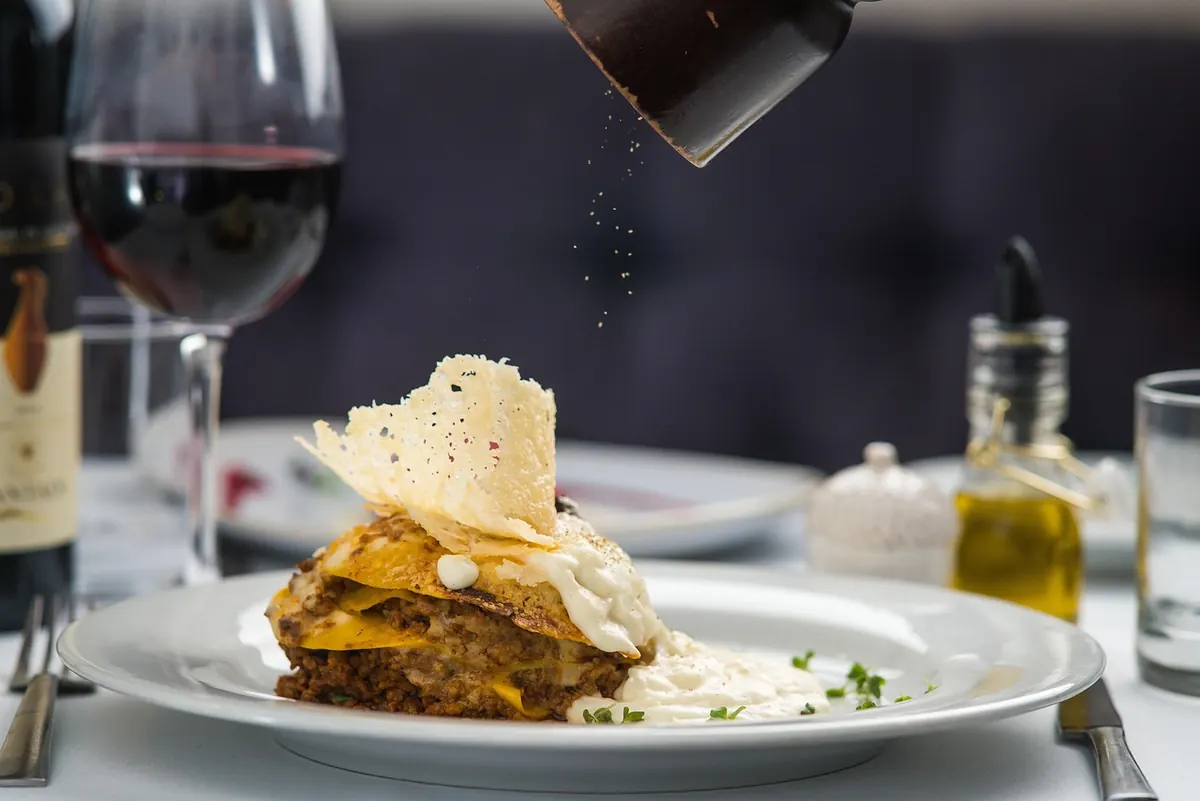
Photo: Foodart / Pixabay