

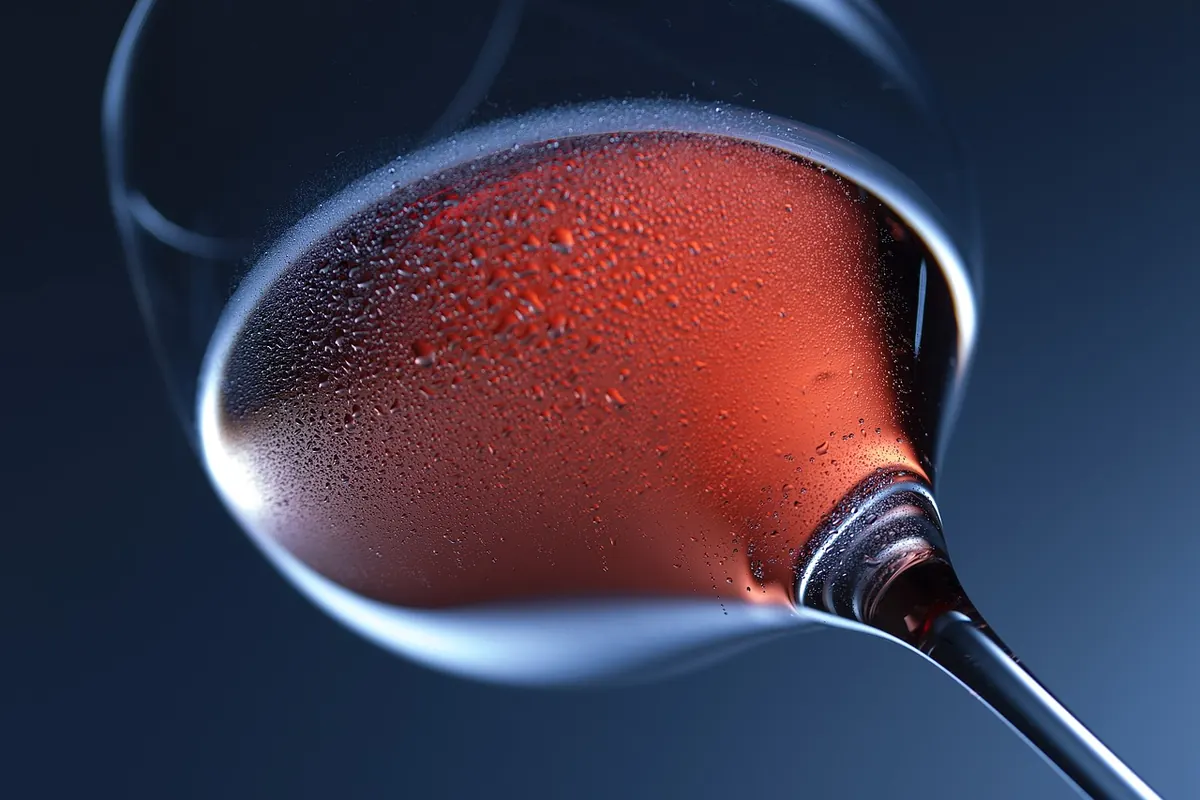
Put two Chardonnays in front of a new drinker and the difference can feel like a trick. One is lean, chalky and smells faintly of wet stone; the other is golden, buttery and tastes like baked apple with a spoonful of vanilla. Same grape. Same word on the label. Completely different glass. That gap is what people mean when they talk about Old World and New World wine, and once you understand it, the wall of bottles in a shop or on a restaurant list becomes far less intimidating.
What the Two Terms Actually Mean
Old World refers to the historic wine regions of Europe: France, Italy, Spain, Portugal, Germany, Austria, Greece, Hungary and their neighbours. Winemaking there is old enough that the rules grew around the land rather than the grape. Appellations tie a wine to a specific place, and the local style usually reflects a cooler, more marginal climate where grapes ripen slowly.
New World covers everything else that makes wine in volume: Australia, New Zealand, South Africa, Chile, Argentina, the United States, Canada. These regions built their reputations more recently, often in sunnier climates, with fewer rules about what can be planted where and a marketing culture that puts the grape variety front and centre.
Treat the split as a useful shortcut, not a law. A warm-vintage red from the south of France can taste riper than a cool-climate Pinot from Tasmania, and plenty of modern producers on both sides borrow techniques from the other. The terms tell you where to start guessing — not where to stop tasting.
Flavour: Earth and Restraint vs. Fruit and Generosity
Old World whites tend to be built on citrus, green apple, pear and a mineral, stony quality. Think Chablis next to Napa Chardonnay, or a Loire Sauvignon Blanc — grassy, chalky, restrained — next to a Marlborough version bursting with passionfruit and grapefruit. Old World reds lean savoury: sour cherry, dried herbs, leather, tobacco, sometimes a forest-floor note. They often have firmer tannin and a finish that feels dry and cleansing rather than sweet.
New World wines generally lead with ripe fruit. Red wines show blackberry, plum and cassis; whites show pineapple, peach and mango. Oak is more likely to be obvious — vanilla, toast, coconut — and the overall impression is rounder and more immediately generous. That ripeness is why so many people find New World wines easy to like on the first sip, while Old World bottles can take a glass or two to open up and make sense.
Reading the Label
This is where beginners lose the most time, and it takes about thirty seconds to fix.
Old World bottles
The place dominates. You will see Bourgogne, Chianti Classico, Rioja, Mosel, Barolo, Sancerre — and often no grape name at all, or only in small print on the back. Village and vineyard names carry real meaning, as do terms like riserva, gran reserva or cru, which usually indicate longer ageing. A useful habit: if you like a bottle, photograph the back label. The grape is usually listed there in the ingredients or the importer's small print.
New World bottles
The grape is the headline. Shiraz, Sauvignon Blanc, Malbec, Pinot Noir — large and unmistakable — followed by the brand and the region. Regulations are looser, so blends are common and labelled as such. If a bottle says 85% or more of one grape in some countries, it may legally be sold as that variety alone.
- Grape variety: the fastest way to predict what you are buying.
- Region: the fastest way to predict ripeness and weight.
- Alcohol by volume: the most honest clue on the label. Around 12–13% usually signals a lighter, fresher style; 14% and above often means riper fruit and a warmer, fuller feel.
- Vintage: matters more in marginal climates, which is why it appears prominently on most Old World labels.
Acidity, Alcohol and Weight
Acidity is the spine of a wine. It is the sensation that makes you salivate after a sip and keeps a rich dish from feeling heavy. Old World wines, grown in cooler conditions, usually carry more of it, along with slightly lower alcohol. New World wines often trade some of that brightness for ripeness, rounder texture and more alcohol warmth at the back of the throat.
Neither is better. It depends on what you want from the glass. If you find many red wines tiring after one glass, higher acidity is usually the fix. If Old World reds taste thin or sour to you, look for something riper. Serving temperature matters as much as the wine itself: whites show best around 8–12°C, and reds are far more enjoyable at 16–18°C than at a warm room temperature, which makes alcohol and tannin stand out.
At the Table: Pairing Without the Rules
Old World wines evolved alongside the food of their own region, which is why the classic matches still work so well: Chianti with tomato-based pasta, Muscadet with oysters, Rioja with lamb. High acidity and earthy, savoury notes are built for rich, fatty, salty cooking.
New World wines are forgiving and generous, and they handle grilling, spice and a little sweetness better than most people expect. A fruity off-dry Riesling or Gewürztraminer tames a hot curry; a ripe Malbec stands up to charred steak without flinching.
Four principles cover almost every situation:
- Acid loves fat. A crisp white cuts through butter, cream and fried food.
- Sweetness cools heat. Off-dry wines soften chilli; high-alcohol dry wines amplify it.
- Tannin needs protein. Firm reds feel smoother with meat and hard cheese than alone.
- Match the weight. Delicate food with a delicate wine, hearty food with a hearty one.
How to Choose Without Overthinking It
Pick a grape you already know you like — Sauvignon Blanc, Merlot, Syrah, whatever it is. Buy two bottles of it, one from Europe and one from the New World, at a similar price. Chill both the same way, pour them into identical glasses and taste them side by side, ideally with food rather than on an empty stomach.
Ask yourself three things: how ripe is the fruit, how much does your mouth water, and how warm does the finish feel? Write a single line about each bottle. Within two or three of these comparisons you will know which side of the divide suits your palate, and shopping stops being guesswork. It also helps to tell a good wine shop what you liked and disliked in plain language — "too oaky", "not fruity enough" — rather than asking for a recommendation with no context.
A Short Practical Closing
Start with curiosity rather than allegiance. Old World wines reward attention and work beautifully with food; New World wines are open, generous and hard to dislike. Most drinkers end up keeping both in the house, choosing by mood, meal and season rather than by geography.
One last tip worth more than any rule: buy the second bottle of something you enjoy, not the first. The first is a gamble, the second is a decision — and that is how a cellar, however small, actually begins.