

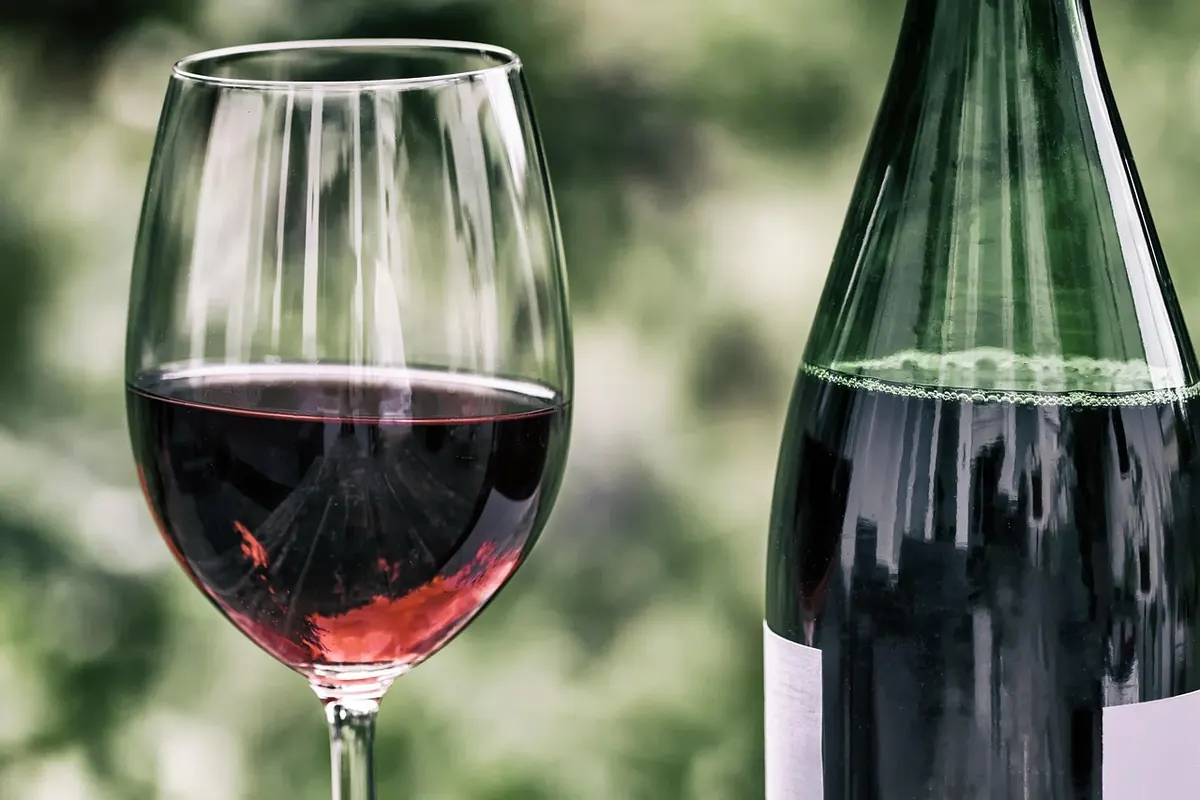
A blind tasting turns an ordinary evening into something with a bit of suspense. Strip away the label and people stop talking about price and start talking about what is actually in the glass. You do not need a cellar of mature Burgundy or a diploma on the wall to run one at home. Six bottles, a packet of brown paper bags, a pen for everyone and a plan for the moment the bags come off — that is the whole kit. What follows is the version that works: honest, a little competitive, and finished in time for the last train.
Choose a theme, not a random basket
The most common mistake is buying six interesting wines that have nothing to say to each other. A sweet Riesling beside a Barolo beside a Provence rosé will wreck everyone's palate by the third bottle and teach nothing at all. Pick a question you want answered, then buy the bottles that answer it.
- One grape, two places. Sauvignon Blanc from the Loire against one from Marlborough; Tempranillo from Rioja against one from Argentina.
- Old world, new world. Same grape, roughly the same price band, different continent.
- One step up the ladder. A village Chianti next to a Riserva from the same estate.
- Blind fizz. Prosecco, Cava, Crémant and Champagne, all chilled and all bagged.
- One vintage, several producers. The same year from four different cellars — excellent for learning a region.
Keep everything in the same weight class: all whites, all medium-bodied reds, all sparkling. Six bottles is right for six to eight people; eight is the ceiling before palates tire and guesses get lazy. Buy one bottle you know well as an anchor, so you can calibrate once the arguments start.
Bag the bottles like you mean it
Do the bagging before anyone arrives, and ideally get someone else to do it. A co-host who wraps the wines while you set the table means you can taste blind too, which is far more fun than hosting from behind the curtain.
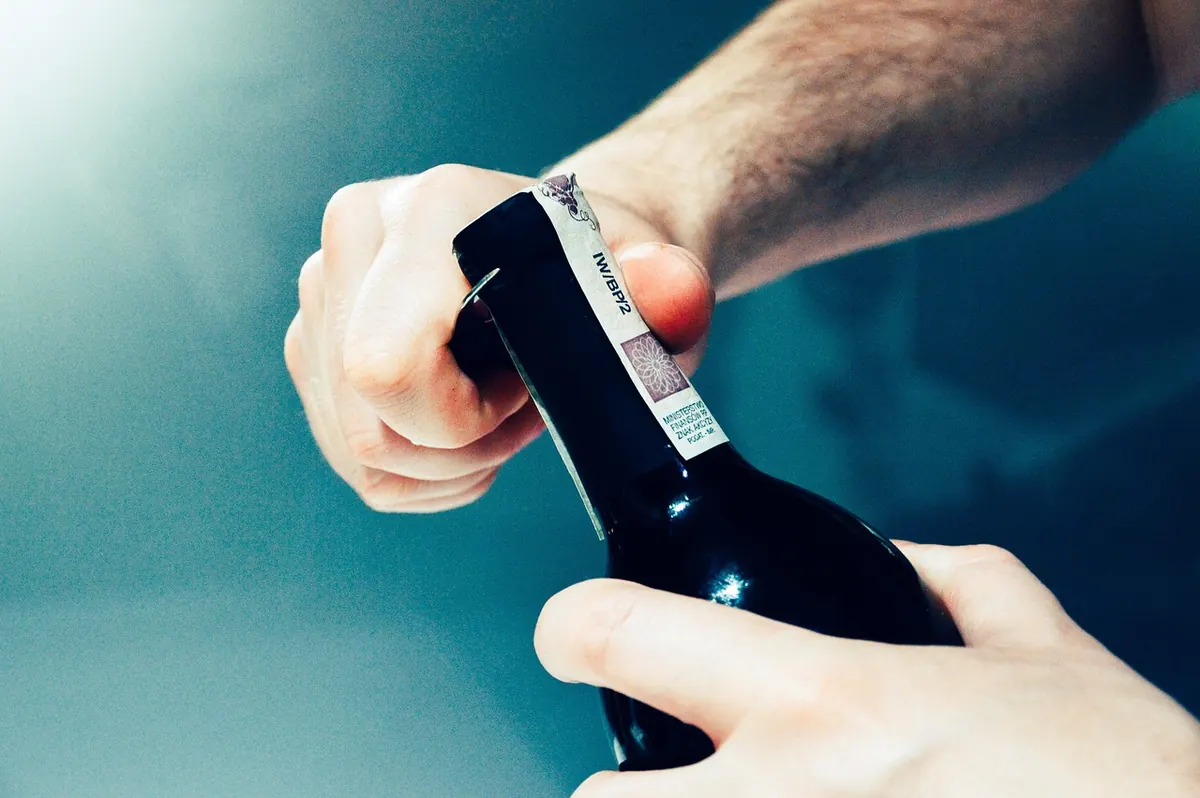
Brown paper bags work, but wine socks or a double layer of foil are quicker and less likely to split when a chilled bottle starts to sweat. Cover the capsule as well as the label: a screwcap and a slug of foil on the neck give away more than people expect. Number each bag with a marker, and number them in a shuffled order rather than the order you bought them, so the sequence on the table tells no story.
Then write the key: bag number, producer, grape, vintage. Fold it once and put it somewhere you will not glance at by accident — a kitchen drawer, a coat pocket. Keep a second copy on your phone if you are the forgetful type, but do not leave the key face-up on the counter after the second glass.
Set the table for honest tasting
Good light does more for a blind tasting than good glassware. Tilt a glass against a white cloth or a sheet of white paper and you can judge colour and clarity properly; under a warm pendant lamp everything looks like the same red.
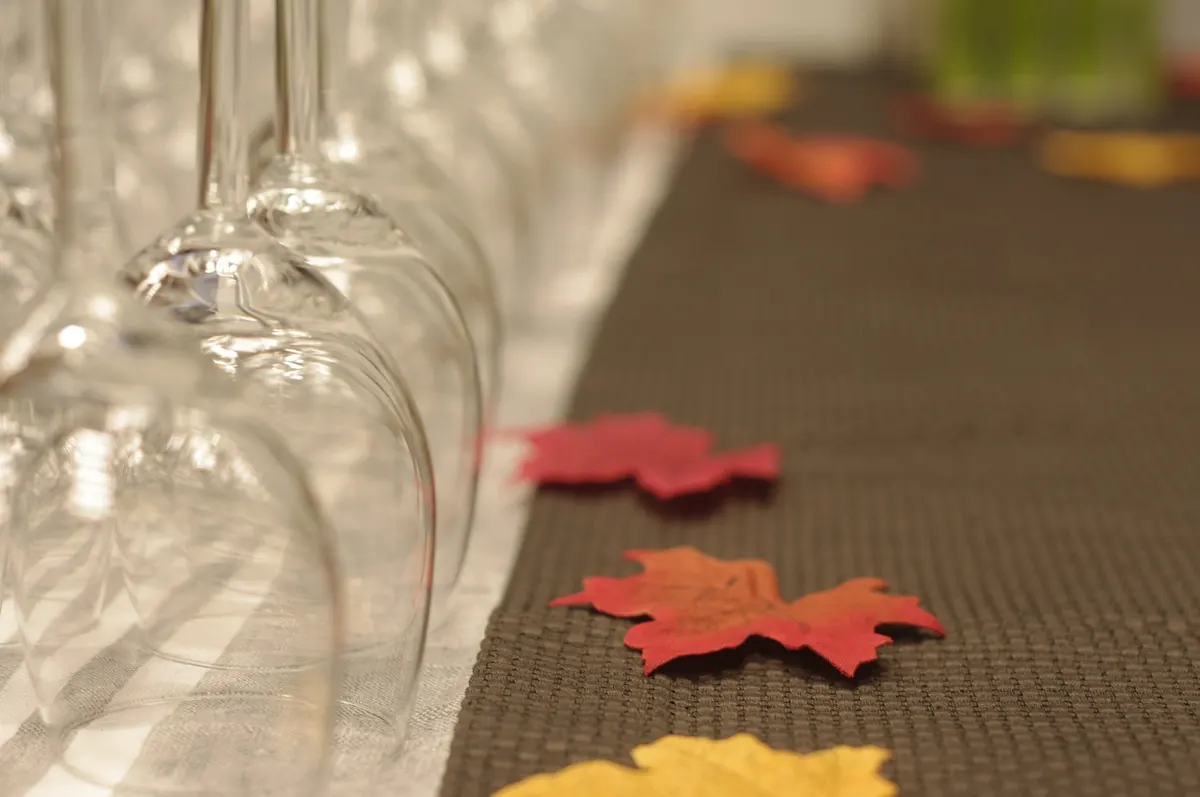
- One glass per wine per guest if you own them. If not, two glasses and a jug of water for rinsing between pours.
- Plenty of still water in jugs, and plain bread or crackers. Save the cheese for afterwards — it flattens the palate.
- A spittoon each, even if nobody plans to use one. Plastic cups are fine; having the option changes how people pace themselves.
- Printed score sheets, one per person, and a pen each. The pens matter more than you would think.
Keep the score sheet to one side of A4
A long sheet makes people feel tested. You want four lines of observation and one line of opinion:
- Look: clear or hazy, pale or deep, and what colour exactly.
- Smell: how intense, what fruit, what else (flowers, bread, earth, oak), and does it seem young or tired.
- Taste: sweet or dry, acidity, tannin, alcohol, body, and how long the finish lasts.
- Guess: grape, country or region, and roughly how old.
- Verdict: a score out of five, plus a "would I buy it" box.
Leave room at the bottom for one sentence of free notes. That sentence is usually the most useful thing on the page a week later.
Taste in silence, then argue
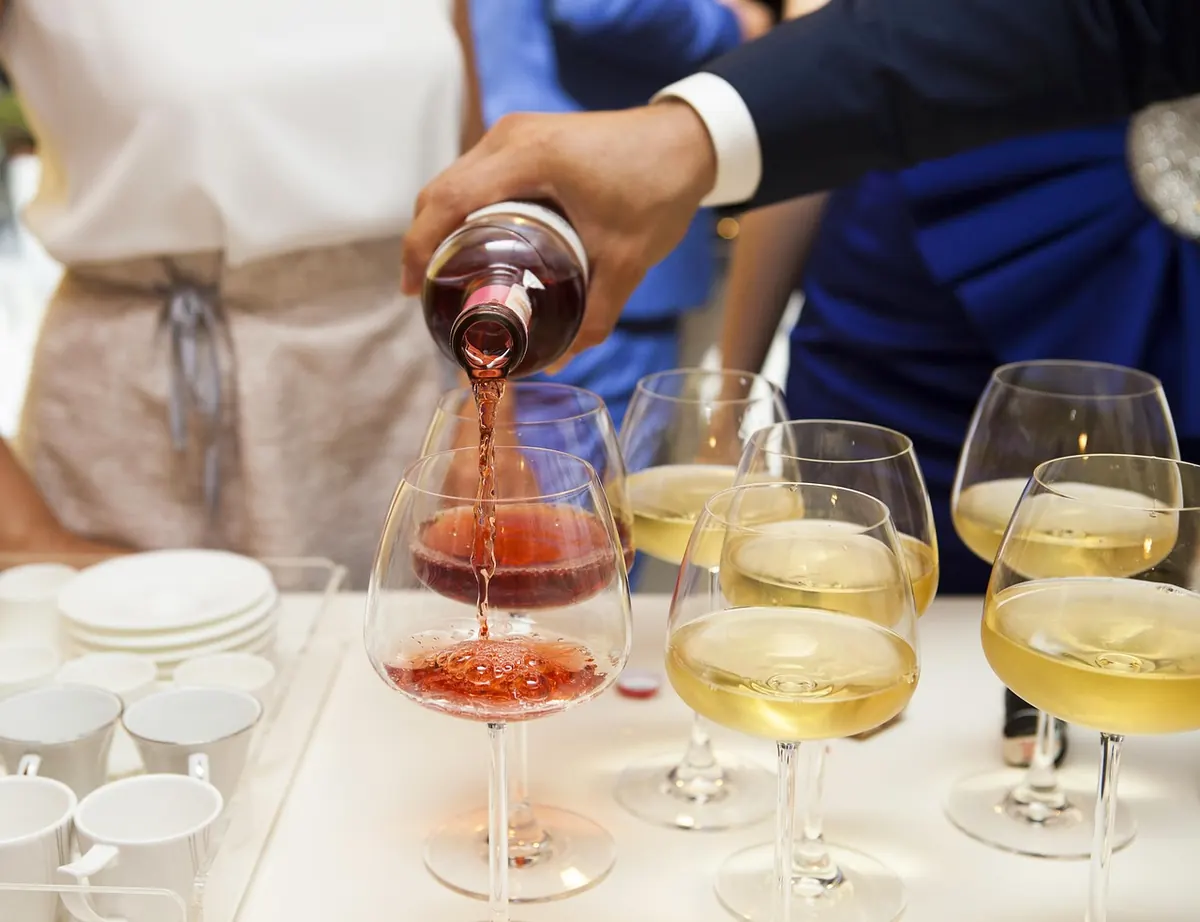
Pour around 40–50 ml — a decent mouthful, not a full glass. Then insist on one quiet round: everyone smells, tastes, writes, and says nothing. This single rule decides whether the evening works. Without it, the loudest person in the room names a wine and everyone else quietly agrees with them.
Once the notes are down, go round the table and have each person read their guess aloud before anyone comments. Then open it up. Good prompts, if the conversation stalls:
- "What is the first fruit that comes to mind, before you think about it?"
- "Does the finish hold, or drop off?"
- "Cool climate or warm? What is making you say that?"
- "How does this compare to the one before it?"
Three wines per flight, then a ten-minute break with bread and water. Keep the pours small, keep the spittoons on the table, and sort out lifts home in advance. Nobody's palate, or judgement, improves in the fourth hour.
Make the reveal part of the evening
Reveal in the order you tasted, one bottle at a time, and ask for guesses to be read out before the bag comes off. Not the order of price, not your own private ranking. One at a time gives every wine its own small moment and stops the reveal turning into a race to the cheapest bottle.
Some hosts like a show of hands before each unveiling; others prefer every sheet face-up on the table. Either works. What matters is that you do not guide the room — no "interesting, isn't it" while you are holding the bag. Say as little as possible and let the room do the work.
The good part is not who was right. It is the moment someone discovers they loved a grape they had written off, or that their favourite of the six was the least expensive. Photograph the lineup and the folded key before the empties go out for recycling; your notes plus that photo are a better record than memory.
The host's last five minutes
Before the doorbell rings, check four things: bottles bagged and numbered, key written and hidden, glasses polished and counted, score sheets printed. Then put the water out and stop fiddling.
Afterwards, while the glasses are still on the table, write two lines for yourself: which pairing in the lineup taught the most, and what you would change next time. That is how a one-off evening becomes a habit — and the second tasting is always better than the first.
Photo: WolfBlur / Pixabay